A new website can feel like a big undertaking. There’s the design, the words, the photos, the logo question, the timeline, and the nagging worry that it will end up looking like everyone else’s.
The good news is that the right designer makes all of this easier. The trick is finding them, and the best way to do that is to ask good questions before you sign anything. You’d expect your own clients to quiz you about your process, so do the same with your designer.
Why interior designers should ask these questions (and how to spot red flags!)
Website designers work in very different ways. Some sell ready-made templates, some design everything from scratch, some write your copy and some leave that to you. None of these is wrong, but they cost different amounts, take different amounts of time and ask different things of you.
A red flag is usually vagueness. If you ask a simple question and get a fuzzy answer, or no clear answer at all, pay attention. A good designer will be happy to explain how they work, because they’ve explained it many times before.
Here are the questions interior designers should ask a website designer before they commit to a project.
1. Are you using a template, or designing something completely custom for me?
This depends on how the designer works. Some ask you to buy a template and then add your logo, images and services. Others have their own templates for you to choose from, which is often called a “semi-custom” option. Others only do custom projects, which means your site is designed from scratch and is entirely your own.
The difference usually comes down to price and time. Template and semi-custom projects are quicker, sometimes done in a week or even a day. Custom takes longer and costs more. If a template is involved, check whether its price is included in the package or an extra cost.
2. Do you write the website copy, or just give me the design?
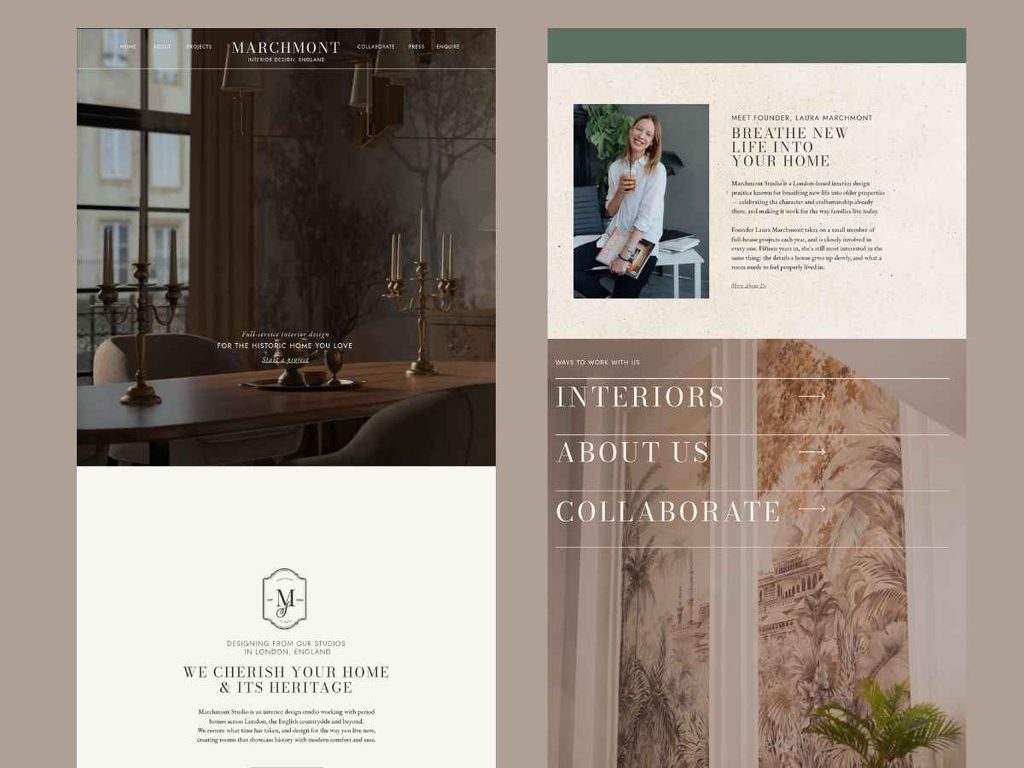
This is a big one, and it’s often left out of quotes. Some designers recommend a preferred copywriter, so ask whether you’d work with them directly or only through the designer. Some give you a guided document to fill in, and the designer adds your words to the design.
I like to give clients a choice. If you have a distinct voice or message, you may want to supply the copy yourself. Most of my clients prefer to draw on my background as a magazine writer and storyteller to shape their message, so copywriting is included in my packages.
Red flag: “we’ll sort the words out later.” Copy shapes the design and can impact SEO search strategy, so it needs to be part of the plan from the start.
3. How will you make my site stand out, rather than look like every other designer’s?
This is a great question, and the answer tells you a lot about their process.
At Elle Kwan Studio, I use a framework I call Strategy, Story and Style. [Link: read more about the 3-S framework.] We start with an in-depth interview about your goals, your experience, your secret sauce (what you do differently from other designers), your brand and positioning, and what your ideal clients want to see before they get in touch. That close look at your goals, your clients and your voice is what makes a website feel like you.
Red flag: a process that starts with picking colours and fonts. Look for one that starts with you.
4. What do I need to prepare so the project runs smoothly?
Designers love this question, so don’t be shy. In short, you’ll usually need:
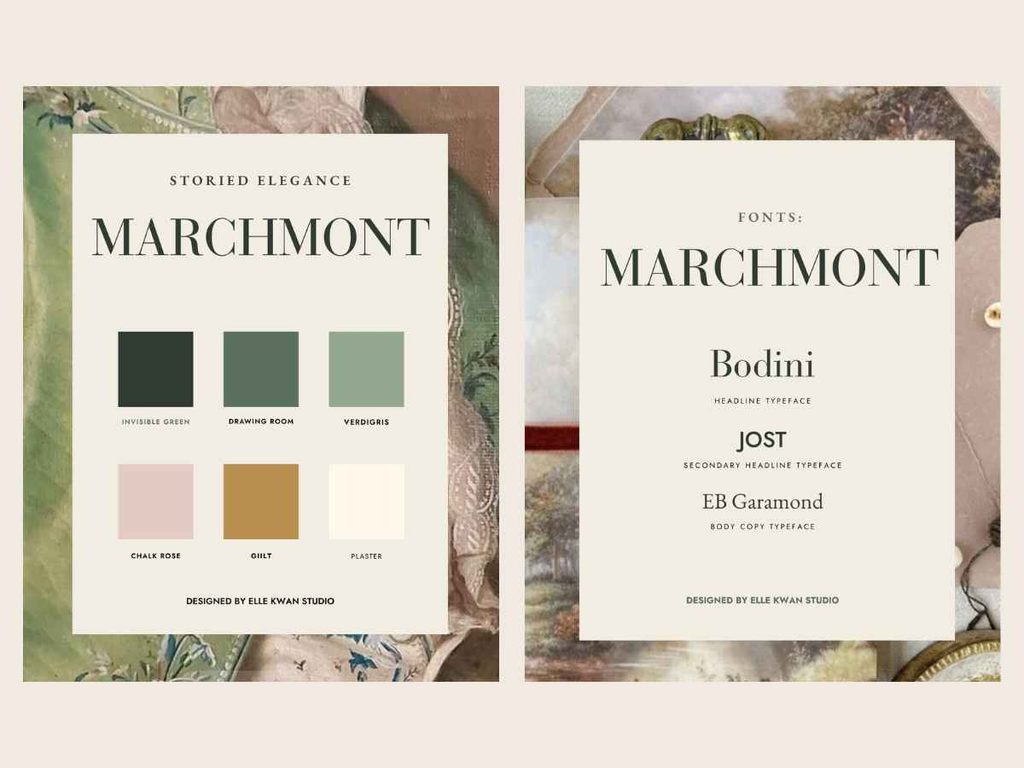
- Your logo, brand fonts and brand colours, if you’re not changing them with the designer
- Three to nine up-to-date project photos, ideally in a labelled folder
- Photos of you and your team
- Links to any press, or PDFs of publications you’ve been featured in
- Logos of brands, magazines, accreditations or certificates and awards
- Product pictures and descriptions, if you sell items
- Time in your calendar for a review session or two
It also helps to bring any mood or inspiration boards, and to have thought about your three main services. Ask how your designer likes to collect all this.
5. Who will I be answering to, how will you keep me updated, and what happens if we fall behind?
Ask who your main contact is and how quickly you can expect replies. Then ask what happens if the project runs late.
Don’t be nervous about the last part. I love it when clients are open about this, and your designer should be too. My contract states what happens if a client doesn’t give feedback within a set timeframe, when payments are due, and what happens if extra time is needed. Check that any contract you’re sent covers the same ground before you sign.
Red flag: No mention of timelines or payment terms in the contract. Triple check this.
6. Will you also do my logo and branding?
Again, some designers offer this and some don’t. I develop a mood board from your inspiration, your design projects and your brand personality, and I’m equally happy to work with a brand you already love. I can mock up a simple wordmark logo too. If you want something more comprehensive, I’d suggest working with a dedicated brand specialist first and then moving on to the website.
Red flag: a designer who promises a full brand identity as a quick add-on, with no process behind it.
7. How long will the project take?
Decide whether you’d rather move fast or take your time. Some designers offer a “website in a day” or “in a week” option. I’ve found the designers I work with prefer a bit longer to review and give feedback, so I offer a four to eight-week timeframe.
Neither of these is “better.” It depends on how quickly you need to launch and how much time you have to give.
8. What are the key milestones, and what will I need to make time for?
Knowing the milestones means you can give feedback when it’s needed without feeling overwhelmed. They vary between designers. In my projects, they are:
- A kick-off interview, where we identify your Strategy, Story and Style
- A homepage review
- A final reveal and guided walkthrough
I also send a weekly update every Friday, so you’re never in the dark about how your project is going.
Do enquire about how you’ll be kept up-to-date.
9. How will I keep my website updated afterwards?
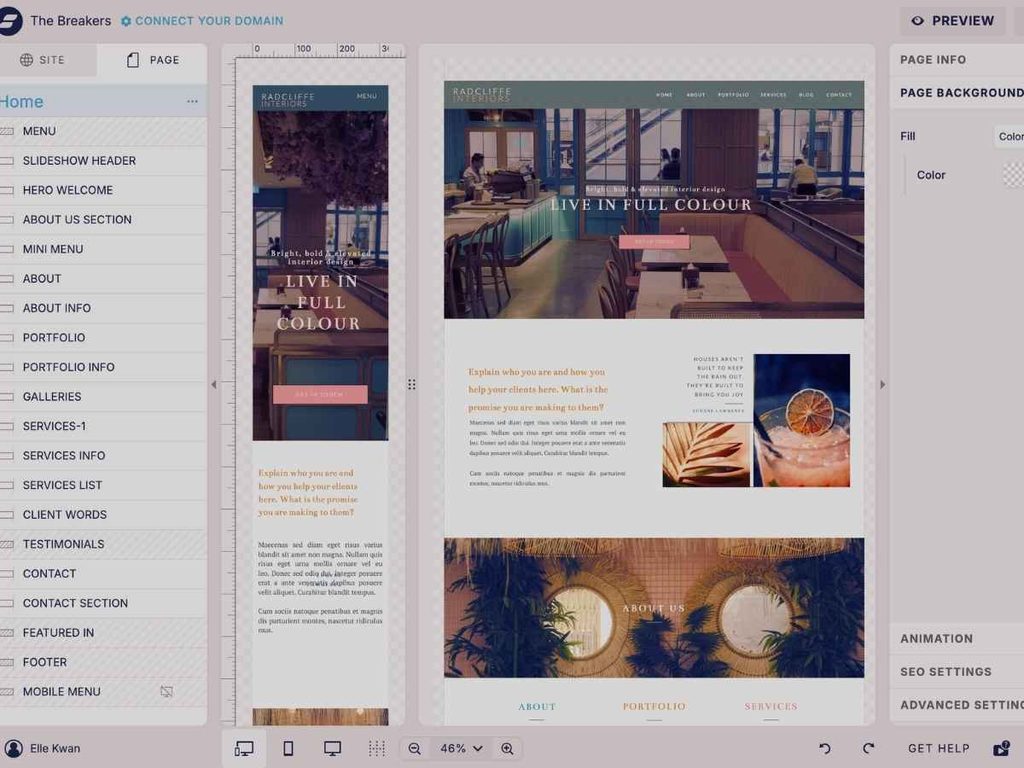
In the early days of the internet, websites were a technical mystery, so they stayed in the hands of developers. These days a website doesn’t need coding, and on Showit, the platform I use, keeping it up to date is easy. That’s why I hand over the keys to the site when we finish. You can still hire me for a day if you’d rather someone else handled upkeep.
Not every designer works this way. Some offer maintenance plans with a monthly fee. Ask what yours offers, and whether you’ll have full access to your own site and domain at the end.
I’ve come across interior designers who can’t get into the back end of their own site. All they get is an email or report with some stats once a month, and no idea what the numbers mean. It’s confusing, and it just isn’t necessary. You should be able to log in and look at your own site whenever you like.
Red flag: not being sure who owns your site and domain once the project is done.
10. How will you help me show up in search and AI results?
Designers should be up to date on best practice for both search engines and AI tools. Ask how they make your site easy to find. Do they expect you to bring keyword research, or will they do it? What do they actually do with it?
The basics are:
- Using the words your clients search for in your page titles, headings and descriptions
- Writing image descriptions (alt text) so search engines understand your photos
- Answering common client questions clearly on your pages, which also helps AI tools pick up and quote your content
- Keeping your site fast and easy to use on a phone
- Ensuring your new site is accepted by Google and connected to analytics.
Any interior designer who really wants their site to be found should also be open to updating it regularly, at least once a month, or arranging for someone else to do it. I love what Daniela Furtado of Findable shares on this Business of Design podcast, which explains how it’s done: link to podcast episode.
Remember, the right designer will be glad you asked!
Hope these questions feel helpful. Of course, you don’t need to ask every one of them, and you don’t need to understand every answer rightaway either! But asking them will give you a clear view of what you are signing up to and what to expect from your website project.
What really matters is how the designer responds. The right one will be clear and open, and will explain things without making you feel silly.
If you’re thinking about a new website, I’d love the chance to work with you. When you book a call, I’ll walk you through my Strategy, Story and Style framework, and you can ask me every question you can think of!
Toodle-oo x

Elle Kwan is the founder of Elle Kwan Studio, which creates editorial Showit websites and templates for interior designers who want to stand out and win more enquiries. A former lifestyle magazine editor, she is a trained conversion copywriter and SEO specialist happiest designing sites that feel like they were styled for a magazine, and creates instant client trust.
When she’s not designing, you’ll find her drinking tea, devouring magazines, or walking her cheeky chihuahua.
Explore Showit templates and free resources at ellekwan.com.


